

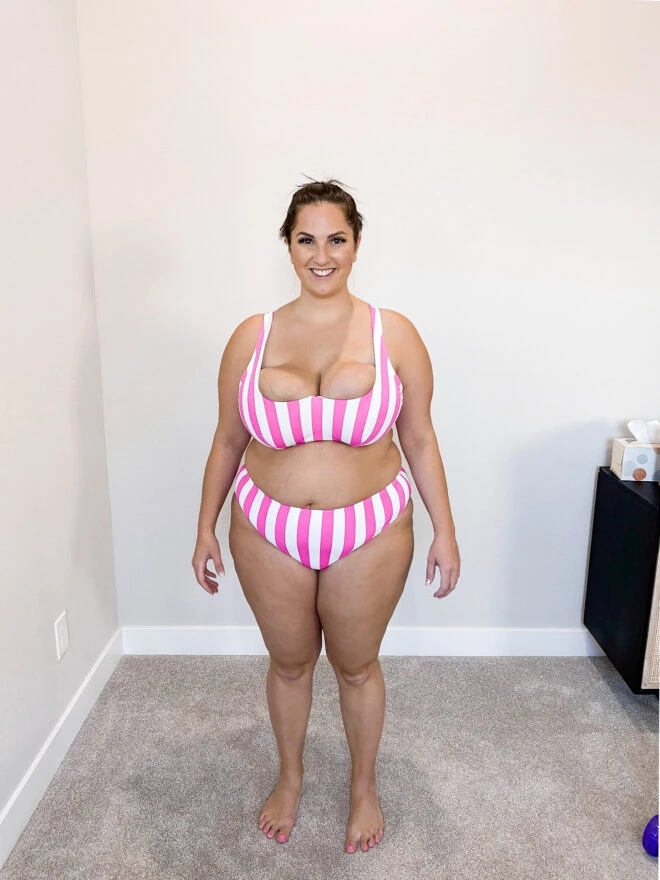
If Weight Loss Feels Harder Than It Should Be…
This is for the woman who:
- Has been consistent for weeks and sees almost nothing happen
- Questions herself every time the scale stalls
- Wonders if peptides or GLP-1s are “cheating”
- Is exhausted from white-knuckling progress
If that’s you, this post will clear things up.
You’ll learn:
- Why weight loss feels mentally harder than it used to
- What peptides and GLP-1 medications actually do (and don’t do)
- Why progress feedback matters for consistency
- How to use tools without losing ownership
- Why habits — not medication — are the foundation
Let’s talk about what’s actually happening.
What Are Weight Loss Peptides and GLP-1s?
GLP-1 medications and certain peptides are tools designed to support:
- Appetite regulation
- Reduced food noise
- Blood sugar response
- Earlier fullness signals
Some women report:
- Less mental chatter around food
- Easier portion control
- More predictable hunger patterns
That can create faster feedback in the beginning. And psychologically, that feedback can make consistency feel easier. But here’s the important part: They are tools. Not the transformation.
If You’ve Been Consistent for Weeks and See Almost Nothing Happen
Few things are more defeating than showing up consistently—tracking, strength training, prioritizing protein—only to look at the scale and see minimal movement. For high-achieving women, this is especially destabilizing. You are used to effort equaling outcome. In your career, in your family, in your business, input produces visible feedback.
Weight loss doesn’t always follow that pattern.
When results feel delayed or invisible, your brain doesn’t interpret that as “be patient.” It interprets it as “this isn’t working.” That gap between effort and reinforcement is where most women start to spiral. Not because they lack discipline, but because they lack feedback.
And that’s where newer tools have shifted the landscape.
If You Question Yourself Every Time the Scale Stalls
A stalled scale doesn’t just feel neutral. It feels personal.
You start mentally auditing everything: Did I miscalculate my protein? Am I eating too much? Not enough? Am I doing the wrong workout split? Should I be doing more cardio? Less cardio?
The doubt compounds quickly. And doubt erodes consistency faster than hunger ever will.
When the scale moves early, confidence builds. When it doesn’t, self-trust gets shaky. That psychological component is rarely discussed, but it’s powerful. It’s also one of the reasons some women experience relief when using medical support. Early feedback quiets the doubt, which makes it easier to stay consistent.
The tool reduces friction. But you are still the one building the discipline.
If You Wonder Whether Peptides or GLP-1s Are “Cheating”
This is one of the most emotionally loaded questions in the conversation.
There’s a quiet fear that using medical support means you “couldn’t do it on your own.” That somehow discipline only counts if it’s white-knuckled and miserable.
But support and surrender are not the same thing.
GLP-1 medications and certain peptides are tools designed to assist with appetite regulation, reduce food noise, improve blood sugar response, and increase fullness signals. For some women, this creates clearer hunger cues and less internal chaos around food.
That doesn’t build muscle for you. It doesn’t plan your meals. It doesn’t regulate your emotions. It doesn’t create sustainable systems.
It can reduce friction. But it cannot replace ownership.
Cheating would be outsourcing responsibility. Using a tool while building real habits is strategic.
If You’re Exhausted from White-Knuckling Progress
There’s a difference between discipline and constant internal fighting.
White-knuckling looks like forcing yourself through cravings while thinking about food all day. It looks like relying on willpower as your primary strategy. It feels like tension.
Some women thrive on patience and slow reinforcement. Others benefit from tools that reduce mental load in the early phases.
But here’s the part that matters most: regardless of the path, the foundation does not change.
Strength training matters. Muscle preservation matters. Protein intake matters. Emotional regulation matters. Structured routines matter.
Inside Body Confidence Academy, women are successful both with and without medical support because the foundation is identity and habits—not the tool itself.
5 Things to Know Before Using Peptides or GLP-1s
If you’re curious, here’s what you need to understand.
1. They Do Not Replace Habits
If you stop building muscle, protein intake, and structured routines, results won’t hold long-term.
2. Muscle Preservation Matters
Without strength training and adequate protein, weight loss can include muscle loss — which affects metabolism over time.
3. They Don’t Fix Emotional Eating
Reduced appetite is different from emotional regulation. Mindset work still matters.
4. Faster Feedback Is Psychological
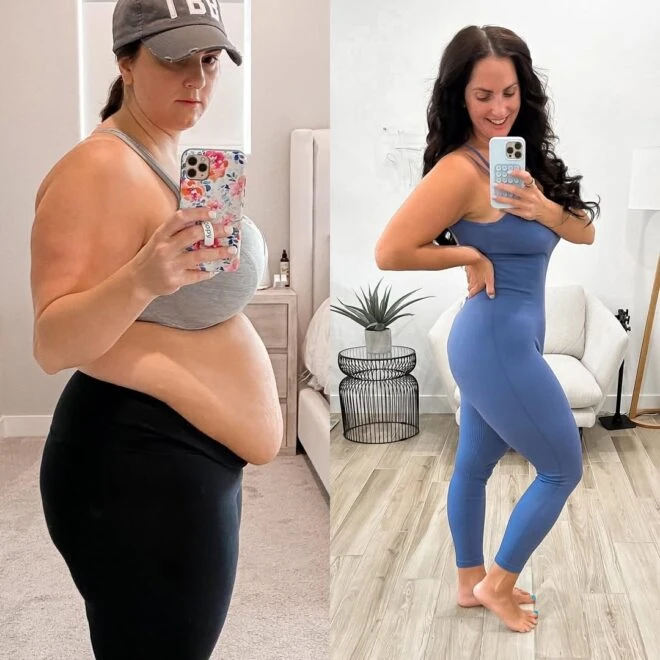
Sometimes what improves consistency isn’t magic fat loss — it’s visible movement that reinforces behavior.
5. The Foundation Still Wins
Inside Body Confidence Academy, women are successful both with and without medical support because the foundation is habits and identity — not the tool.
Common Concerns About Peptides and GLP-1s
Let’s address the big ones.
“Is this cheating?”
Getting support isn’t cheating. Outsourcing responsibility is. There’s a difference.
“Will I regain everything?”
Regain is more likely when habits were never built underneath the support.
“Does this mean I failed?”
No. Biology is complex. Support is a decision — not a confession.
“Is this the only way now?”
Absolutely not. Traditional weight loss still works when it’s sustainable and muscle-focused.
Both approaches are valid.
What matters is intentionality.

Traditional Weight Loss Still Works
You can still:
- Strength train
- Prioritize protein
- Manage hunger awareness
- Build structured routines
- Lose weight without medication
That works.
It just requires patience and consistency without early feedback.
Some women prefer that route.
Some women choose added support.
Neither path is superior.
What matters is that you’re building real habits either way.
The Real Shift: More Tools, Same Responsibility
Today? We have more options.
More medical innovation.
More research.
More support.
But no tool replaces:
- Ownership
- Muscle-building
- Emotional regulation
- Sustainable systems
Confidence compounds when you build habits — not when you chase shortcuts.
FAQ: Peptides and GLP-1 Weight Loss
Are GLP-1 medications safe?
Safety and suitability depend on individual health factors and should always be discussed with a licensed healthcare provider.
Do peptides guarantee weight loss?
No tool guarantees results. They may support appetite regulation, but behavior and lifestyle drive outcomes.
Can you build muscle while using GLP-1s?
Yes, with intentional strength training and adequate protein intake.
Will weight come back after stopping?
Long-term results depend on whether sustainable habits were built during the process.
Is traditional weight loss outdated?
No. It remains effective when done with proper nutrition, strength training, and consistency.
Final Thoughts
It’s not about which path you choose. It’s about choosing intentionally and building real habits either way. Because when you can’t feel progress, your brain questions everything. But when progress feels visible? Confidence compounds. And consistency gets easier. The tool isn’t the win. The habits are.




 Previous Post

Comments