

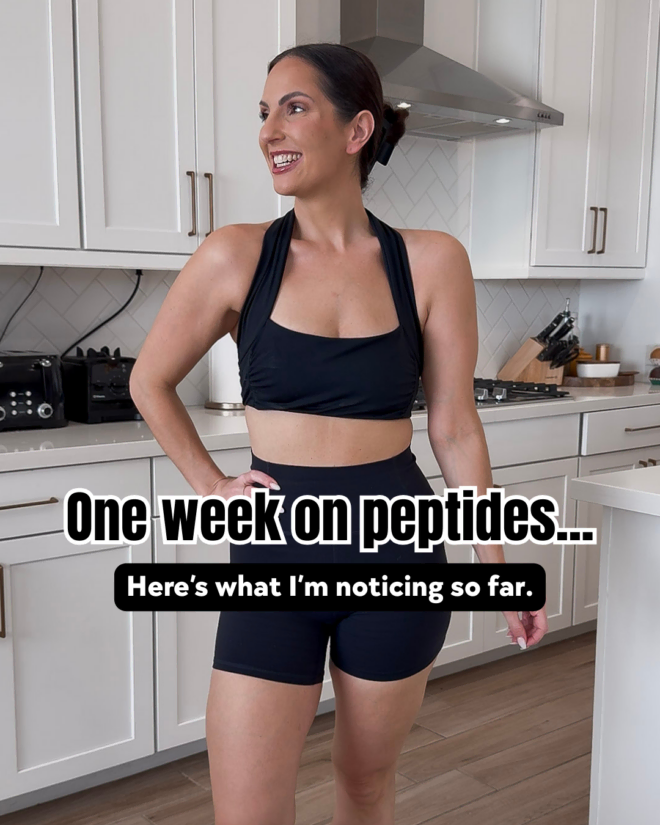
If you found this because you’re researching peptides, recovery blends, or anti-inflammatory wellness support, this is not a dramatic transformation post. This is simply a thoughtful check-in after week one. No big claims. No hype. Just what I’m personally noticing so far.
Before we go further, this is not medical advice. I’m not sharing dosing, instructions, or telling anyone what to take. I’m documenting my own experience under professional guidance and continuing to observe how my body responds.
What I’m Currently Using
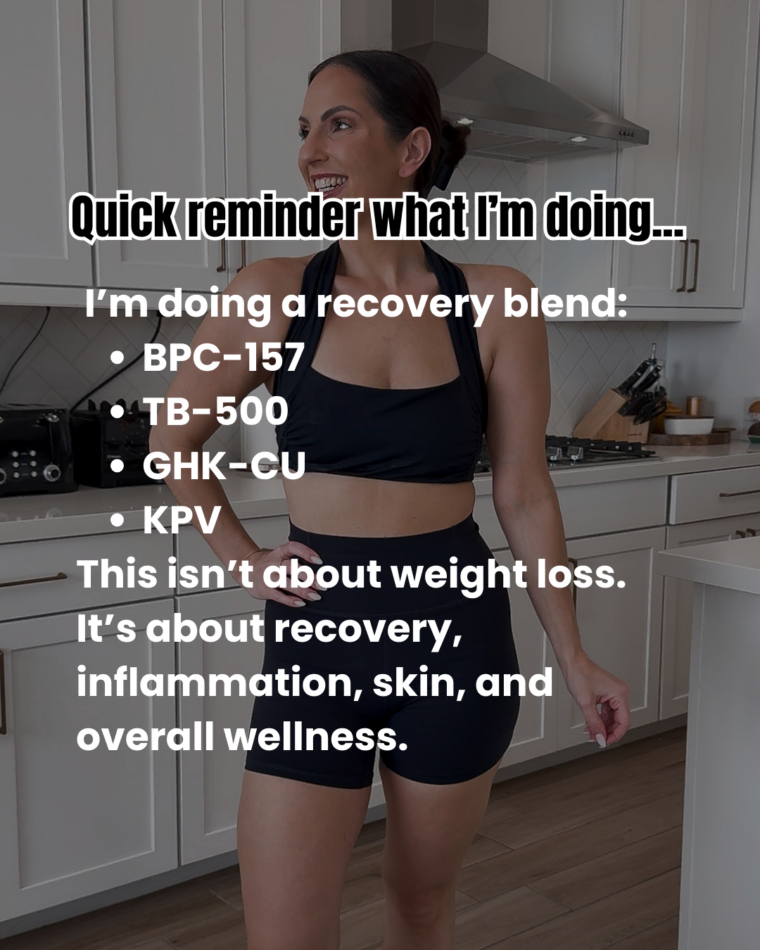
I’m using a recovery-focused peptide blend that includes BPC-157, TB-500, GHK-CU, and KPV. At a high level, these peptides are commonly discussed in the wellness space for their potential roles in recovery, tissue support, inflammation response, and skin health.
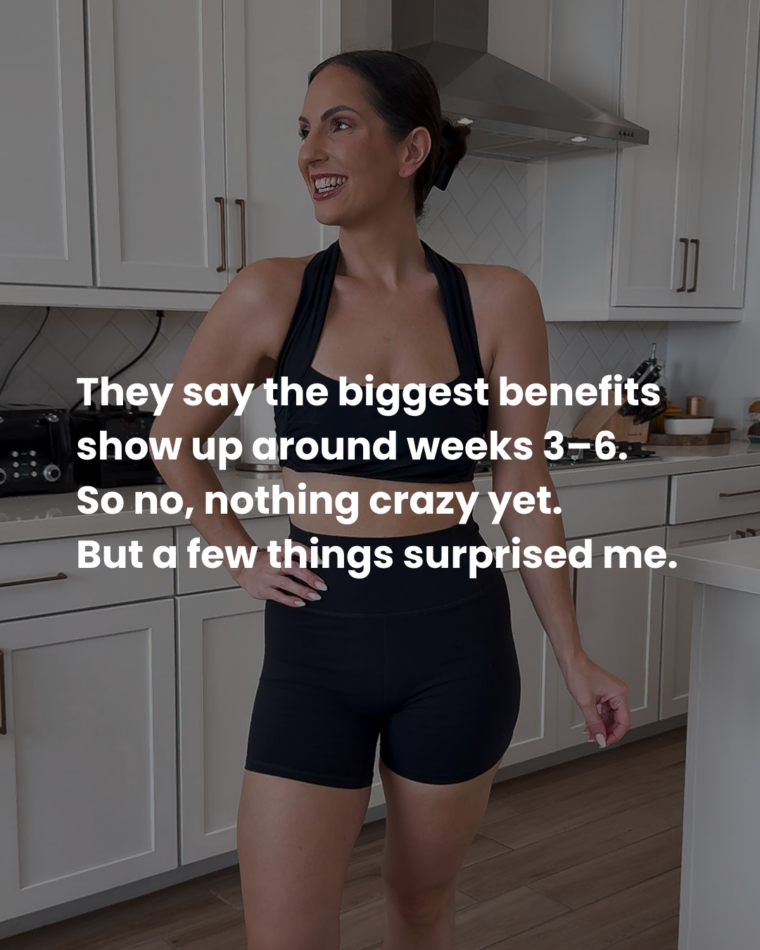
This isn’t a weight loss protocol. It’s centered around recovery, inflammation, skin, and overall wellness support. I went into this knowing that most conversations around peptides suggest noticeable benefits, if they occur, tend to show up more clearly around weeks three through six. That perspective has helped me stay patient and grounded during this first week.
Setting Expectations for Week One
Peptides are often described as working gradually rather than dramatically. Because of that, I didn’t expect instant performance gains, visible body composition changes, or a dramatic shift in how I look. My focus this week has simply been observing small changes, particularly in recovery, inflammation, and skin.
When you introduce anything new into your wellness routine, especially something trending online, it’s important to give your body time. Early changes can be subtle, and sometimes they’re more about how you feel than what you see.
Recovery: The Most Noticeable Shift
The same week I started this blend, I also began CrossFit again and added pull-up training. Normally, when I change workouts like that, the soreness is intense. The kind of soreness where sitting down is uncomfortable, getting off the toilet hurts, and rolling out of bed feels like a full-body challenge.
This week, I was sore enough to know I trained hard, but it didn’t interfere with normal movement. I could get out of bed comfortably. I could sit down and stand up without bracing myself. That distinction stood out. I’m not drawing firm conclusions yet, but the recovery process felt different than what I typically experience when switching training styles.
Inflammation and Overall Feel
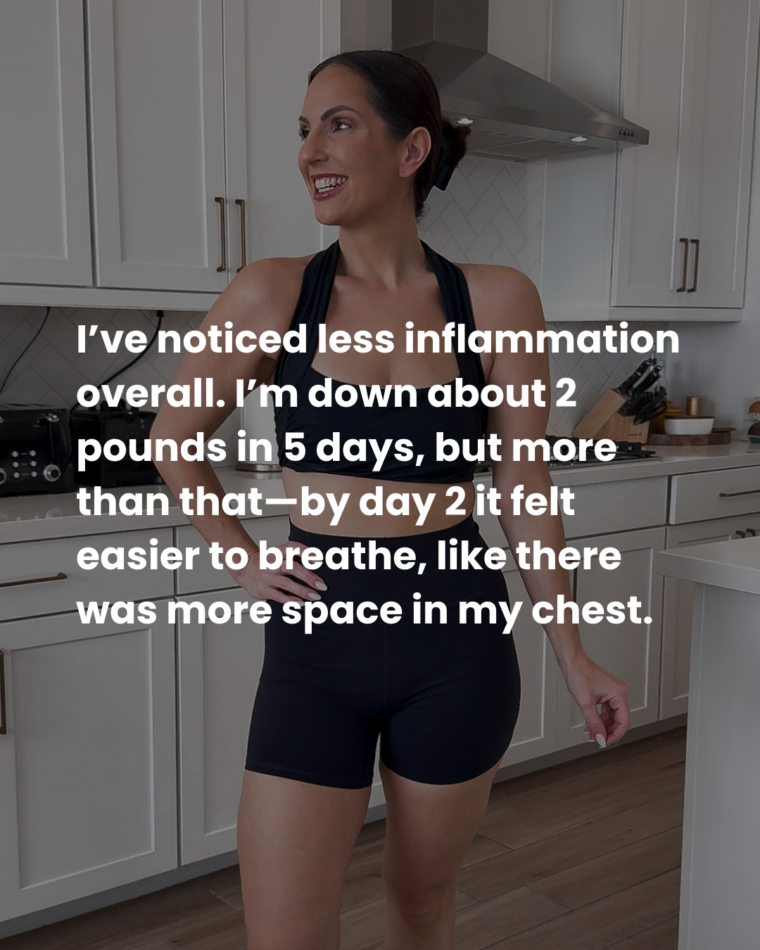
Another subtle shift I noticed was around inflammation. By day two, it felt easier to breathe, almost like there was more space in my chest. That may sound small, but when you’ve lived in your body for years, you recognize when something feels slightly different.
I’m also down about two pounds in five days, but I don’t interpret that as fat loss. Early shifts like that are often related to fluid balance or inflammation changes. What felt more meaningful than the number was how my body felt overall—slightly less puffy and less inflamed. It’s not dramatic, but it’s noticeable to me.
Skin Changes
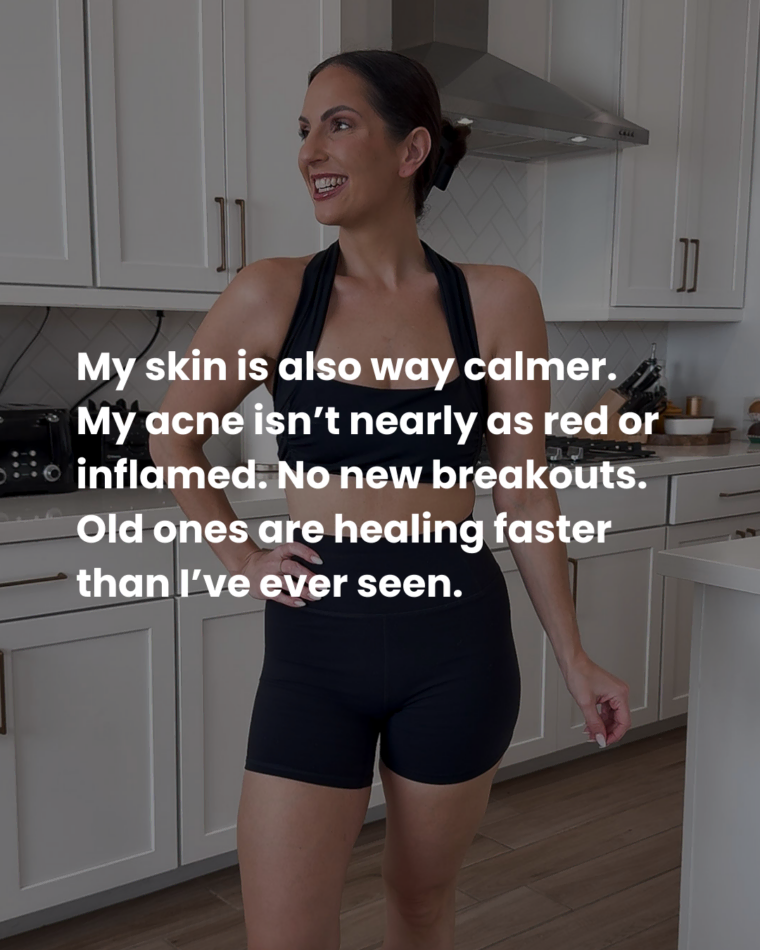
The most visible difference so far has been with my skin. My acne appears calmer. It’s not gone, and I’m not claiming a miracle shift, but the redness and inflammation are noticeably reduced. I haven’t had any new breakouts this week, and older blemishes seem to be healing faster than I’m used to.
Because GHK-CU is often discussed in connection with skin health, I was curious whether I’d see any changes in that area. So far, my skin feels more regulated. It’s still early, and I’m continuing to watch how this evolves over the next few weeks.
Why I’m Staying Patient
What matters most to me in this process is staying patient and realistic. I’m not layering in multiple new protocols at once, and I’m not treating peptides as a magic solution. My foundation remains the same: strength training, adequate sleep, hydration, stress management, and intentional nutrition.
Peptides, in this season, are being approached as supportive—not foundational.
If you’re researching peptides for recovery, inflammation, or skin health, I would encourage you to focus on education, professional guidance, and long-term thinking. Week one is about observation, not conclusions. The body often needs time to respond, and meaningful change rarely happens overnight.
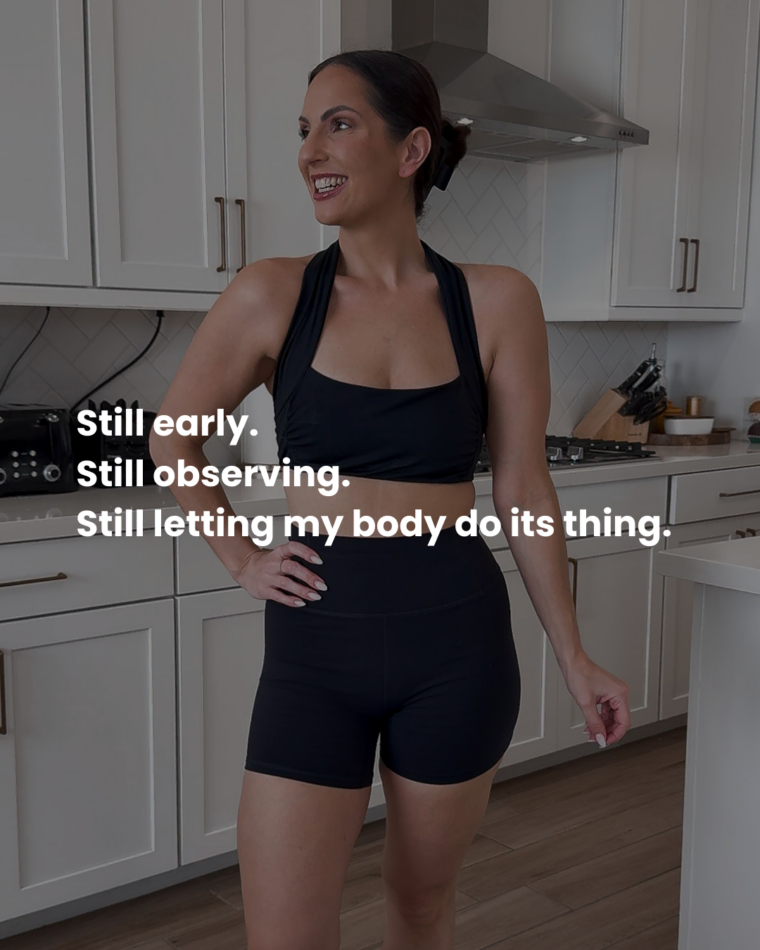
For now, I’m still early, still observing, and still letting my body do its thing. I’ll continue sharing updates as the weeks go on—calmly and honestly.
If you’re curious about peptides, recovery support, or optimizing your body at a deeper level, this is exactly why I personally use Thrive Lab.
I don’t experiment blindly, and I don’t chase trends. Thrive Lab gives me access to education, structure, and professional oversight so I can approach advanced wellness tools responsibly and intentionally.
Because recovery, hormones, and inflammation deserve strategy — not guesswork.
If you want to see how I’m approaching this season of deeper optimization, you can learn more about Thrive Lab here.




 Previous Post
Comments